
The best discounts this week
Every week you can find the best discounts here.




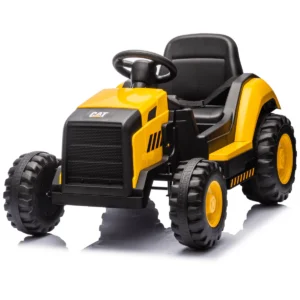

How Toys Help in Child Development

Toys play a very important role in a child’s growth and development. While children see toys as a source of fun and entertainment, parents and educators understand that toys are powerful learning tools. The right toys can help children improve their creativity, thinking abilities, motor skills, and social interaction.
One of the biggest benefits of toys is that they help develop problem-solving skills. For example, building blocks, puzzles, and construction toys encourage children to think about how pieces fit together. This type of play stimulates the brain and helps children learn how to solve problems in a fun and engaging way.
Toys also help improve motor skills. Activities like stacking blocks, playing with shape sorters, or assembling toy parts help children strengthen their hand and finger movements. These small movements are important for developing coordination and control, which are essential for everyday tasks such as writing or drawing.
Another major benefit of toys is that they encourage creativity and imagination. Toys like dolls, action figures, play kitchens, and art kits allow children to create their own stories and scenarios. When kids engage in imaginative play, they develop storytelling abilities, emotional expression, and social skills.
Educational toys can also help children learn basic concepts such as numbers, letters, colors, and shapes. Many interactive learning toys introduce early education in a playful way that keeps children interested and excited about learning.
Parents should always choose toys based on the child’s age, interests, and developmental stage. Toys that are too complex can frustrate children, while toys that are too simple may not keep them engaged. The best toys challenge kids just enough to help them grow and learn.
In conclusion, toys are not just objects for entertainment. They are valuable tools that support a child’s mental, emotional, and physical development. By choosing high-quality and age-appropriate toys, parents can turn everyday playtime into a meaningful learning experience.